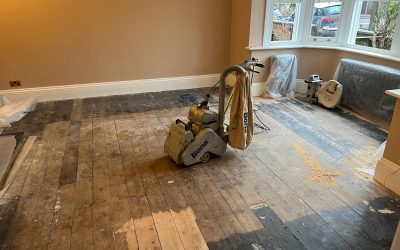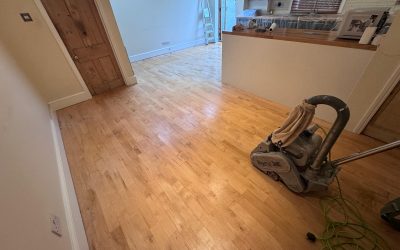
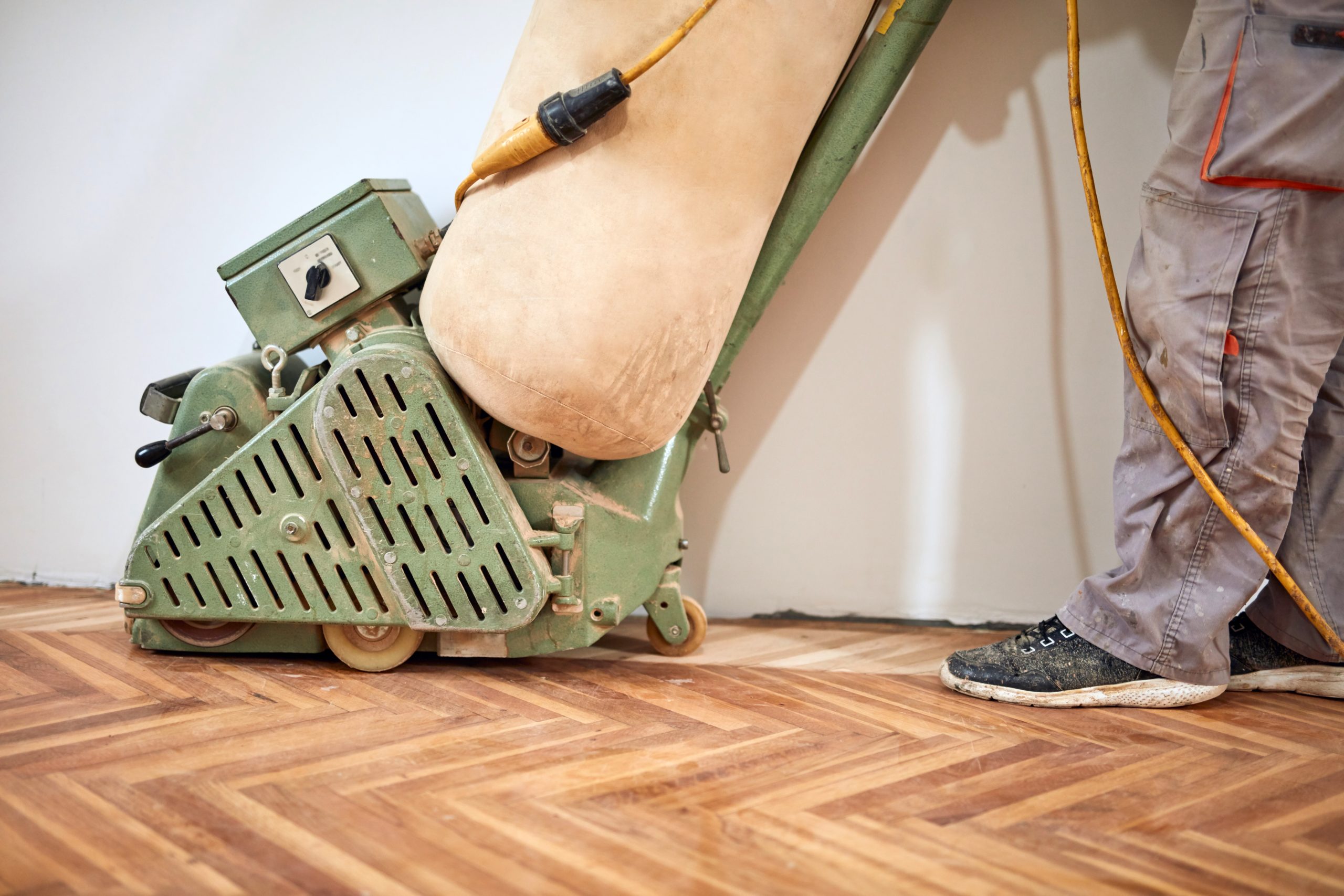
Why Choosing a Cleaner Sanding Method Matters
Stanmore’s leafy avenues are lined with Victorian villas, inter-war semis, and contemporary apartments that all share one timeless design element – solid timber underfoot. Yet decades of feet, furniture and faded finishes leave even the strongest boards looking dull and dated. Traditional sanding can certainly revive them, but clouds of powder drifting through every doorway made many homeowners think twice. Enter Dust-Free Floor Sanding – a modern, health-conscious approach that refreshes your wooden floors without coating the rest of the house in debris.
In this guide you will discover:
- How cutting-edge extraction keeps particles at bay
- The environmental and health benefits of working dust-free
- Practical tips for preparing your property
- A step-by-step walk-through of the full restoration process
- Long-term care advice to keep your floors gleaming
- How to choose a trustworthy Stanmore specialist
By the end, you will know exactly what to expect and how to achieve studio-standard results on your own wooden floors, from reclaimed pine in Old Church Lane to herringbone oak near Stanmore Country Park.
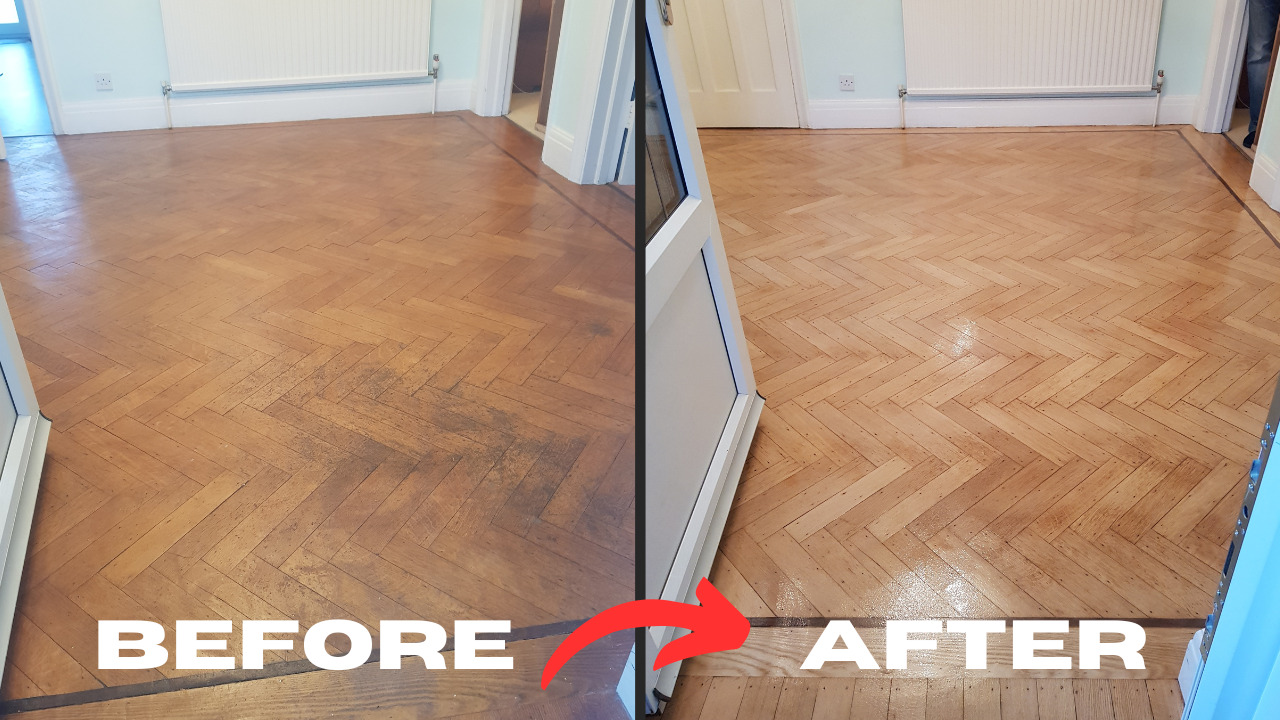
1. Why Going Dust-Free Really Matters
Fine wood dust may look harmless, but it hides some unwelcome surprises:
- Health risks – Inhaled particles can aggravate asthma, trigger allergies and, according to the Health & Safety Executive, increase long-term respiratory problems for both occupants and tradespeople.
- Household contamination – Dust settles into upholstery, radiators and electronics, leaving behind gritty residues that take weeks to remove.
- Finish imperfections – Even microscopic debris can fall back onto wet lacquer or oil, causing blemishes that spoil an otherwise perfect job.
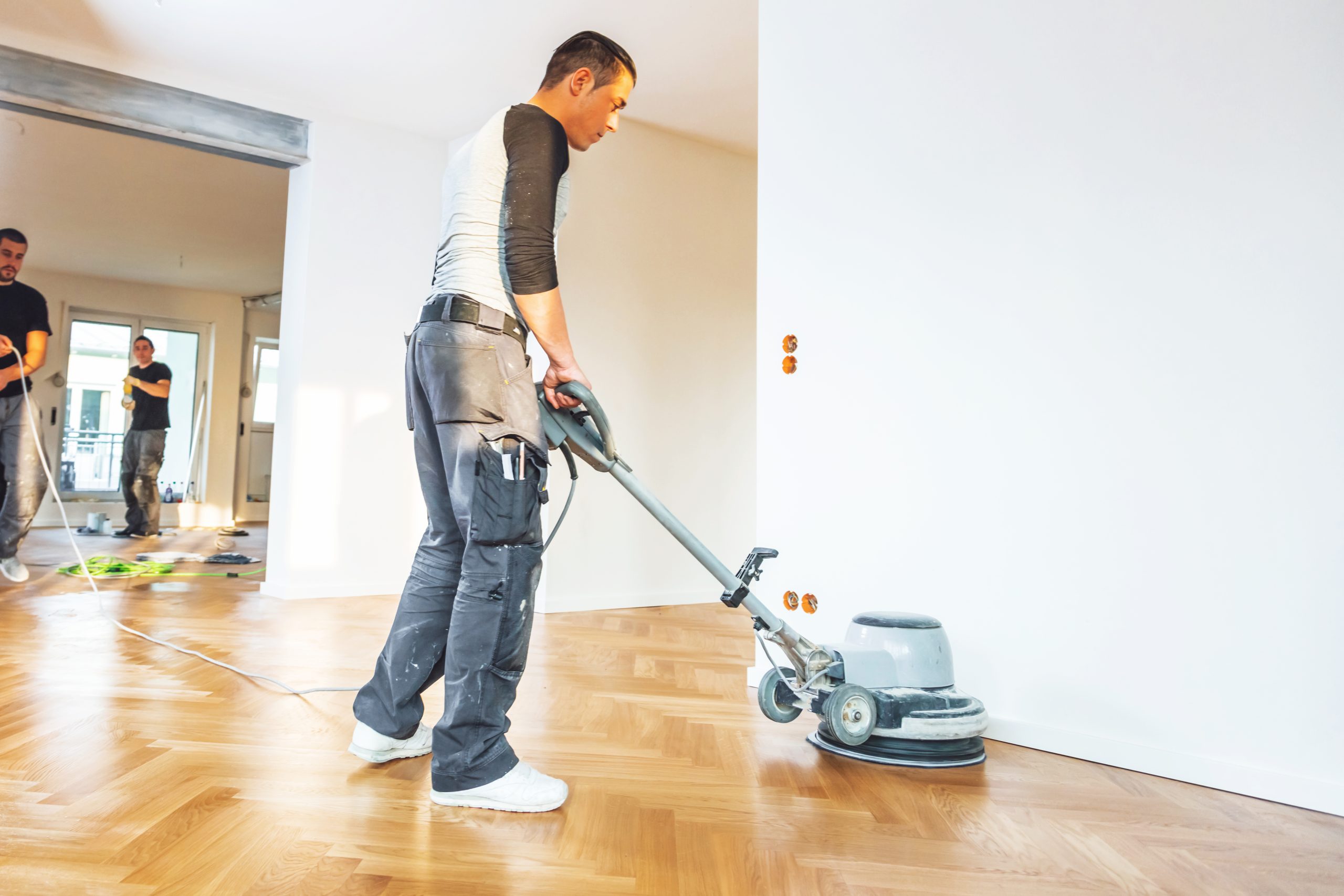
By contrast, Dust-Free Floor Sanding employs powerful industrial vacuums connected directly to every sanding drum, edger and corner tool. Negative air pressure pulls particles away the moment they are created, capturing up to 99.97 % of waste before it escapes into the room. The result is a cleaner, faster and noticeably safer renovation experience.
Stanmore Case Study: The Allergen-Free Nursery
When new parents on Gordon Avenue wanted to restore century-old parquet in their baby’s room, they worried about sawdust lingering in the air. Using dust-free machinery, technicians removed four layers of varnish, sealed gaps and applied a natural oil finish – all while the rest of the family remained comfortably in adjacent rooms. Air-quality tests taken afterwards showed particulate levels no higher than a normal spring day in Middlesex.
2. Behind the Technology: How Modern Extraction Works
To appreciate the magic you need to understand the equipment working behind the scenes:
| Component | Purpose |
|---|---|
| High-suction vacuum | Generates negative pressure, pulling airborne dust through anti-static hoses into sealed HEPA filters. |
| Cyclonic separator | Spins heavier chips into a barrel so filters clog less often, ensuring consistent airflow. |
| Sealed sanding heads | Rubber skirts and precision-cut plates trap debris at source before it spirals outward. |
| HEPA filtration | Removes particles as small as 0.3 µm – far finer than a human hair – making exhaust air safe to breathe. |
No wonder professional decorators now insist on Dust-Free Floor Sanding before they paint fresh skirting or hang feature wallpaper.
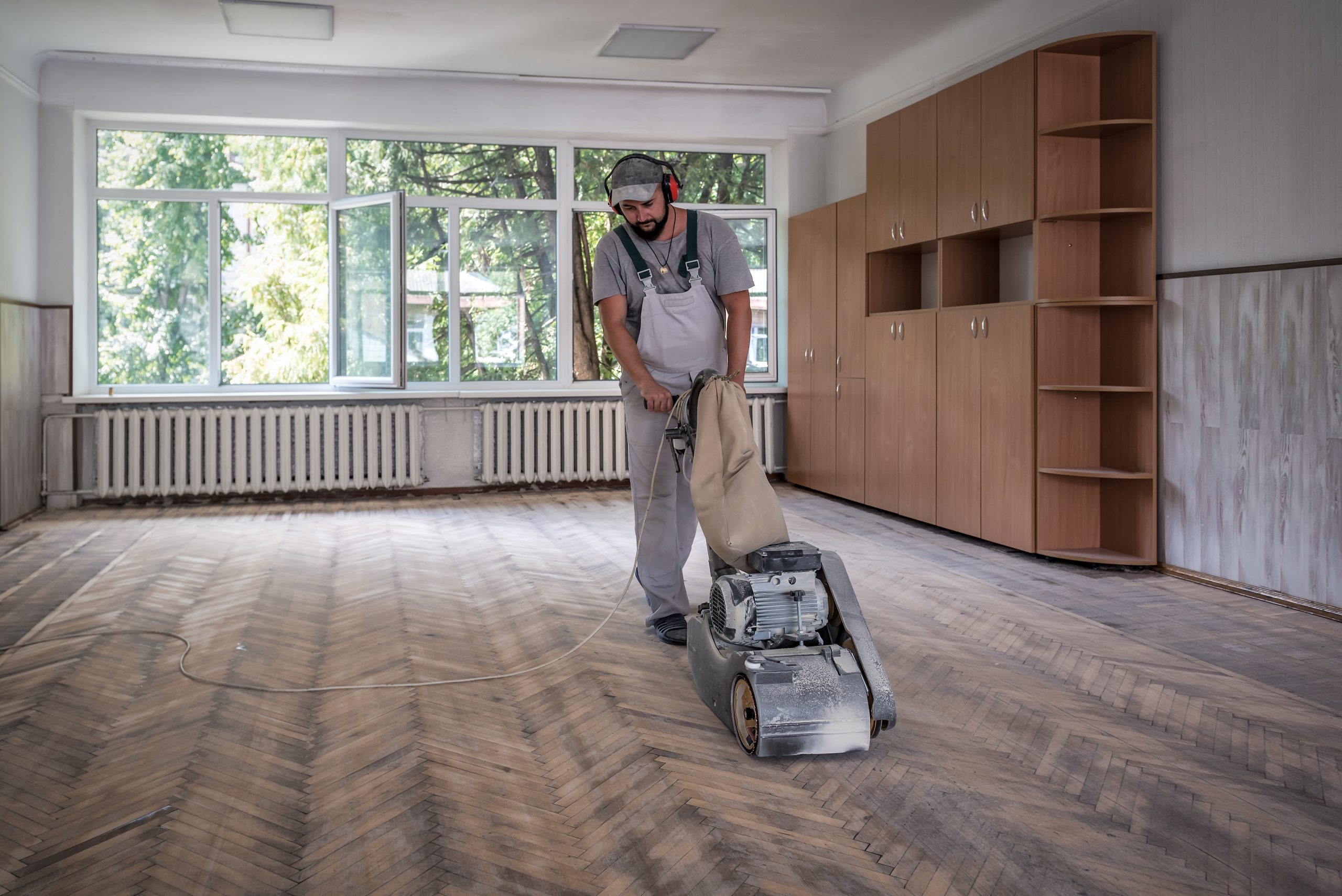
3. Preparing Your Stanmore Home for a Smooth Operation
Although dust-free systems keep dirt under tight control, a little preparation goes a long way:
- Clear the room – Remove furniture, rugs and curtains so technicians can work efficiently and avoid accidental damage.
- Check for protruding nails – Hammer down or replace any that sit proud; exposed metal can tear sanding belts.
- Isolate smoke alarms – Sensitive detectors may misinterpret extraction noise; consider temporary covers or coordinate with your alarm company.
- Plan access – Reserve a nearby parking space for the van because extraction units often remain inside, connected via hoses.
- Discuss colour goals – Bring stain swatches or Pinterest boards so your contractor can tailor test patches after the final pass.
Taking these steps means Dust-Free Floor Sanding begins on schedule and finishes without surprises, letting you reclaim the space promptly.

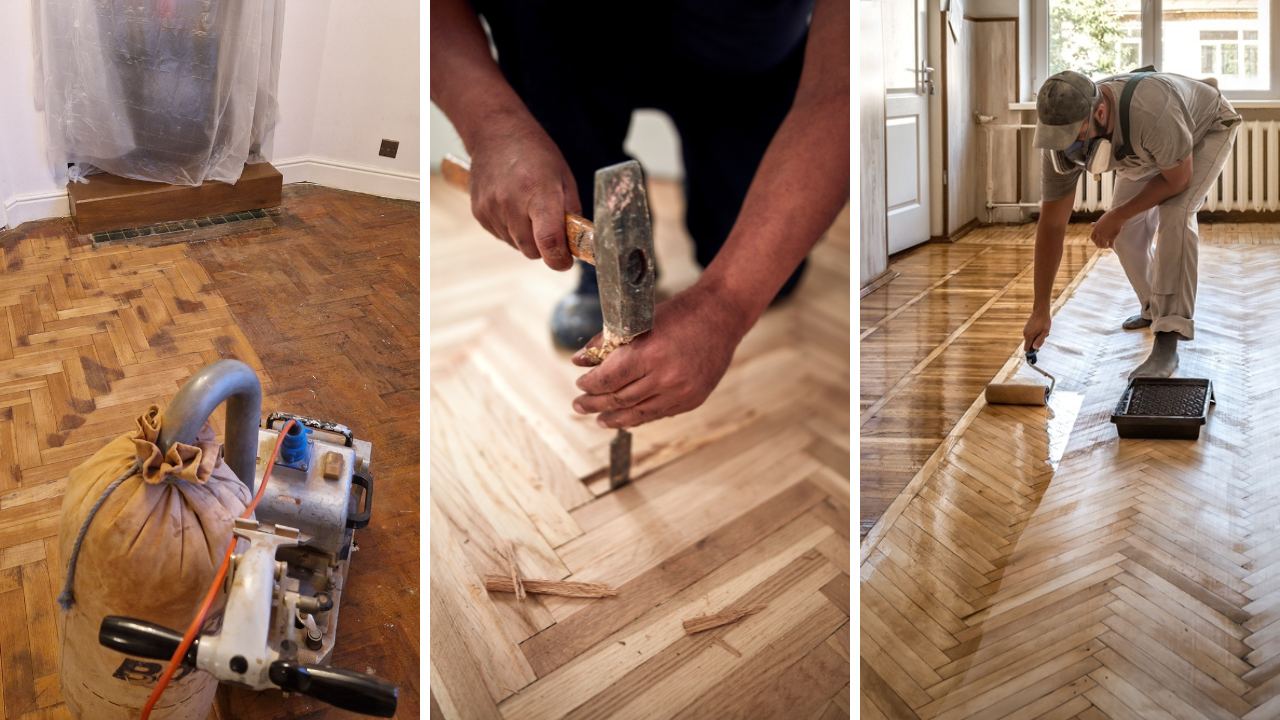
4. The Step-by-Step Process from Raw Timber to Showroom Shine
Every project follows a sequence refined over thousands of Stanmore jobs:
- Initial inspection and moisture testing
- Boards are surveyed for rot, loose sections or hidden wiring.
- Moisture must read below 12 % to ensure finishes bond correctly.
- Coarse sanding (36–40 grit)
- The first pass removes old coatings and levels uneven planks.
- Edgers and corner tools tackle areas near walls and beneath radiators.
- Intermediate sanding (60–80 grit)
- Successive passes erase drum marks while extraction captures swarf.
- Fine sanding (100–120 grit)
- Leaves a silky-smooth surface ready to accept stains or sealers.
- Gap filling
- Resin mixed with fine sawdust from the same floor blends seamlessly.
- Final buff and vacuum
- A rotary machine fitted with 120 grit mesh polishes the timber.
- Floors receive a final industrial vacuum to remove residual powder.
- Colouring and sealing
- Stains, reactive hardwax colours or natural oils are applied as specified.
- Two to three coats of commercial-grade lacquer protect the surface for up to a decade of family life.
Throughout, the operator constantly monitors suction gauges to ensure the Dust-Free Floor Sanding promise holds true, adjusting hose positions and emptying cyclones before capacity falls.
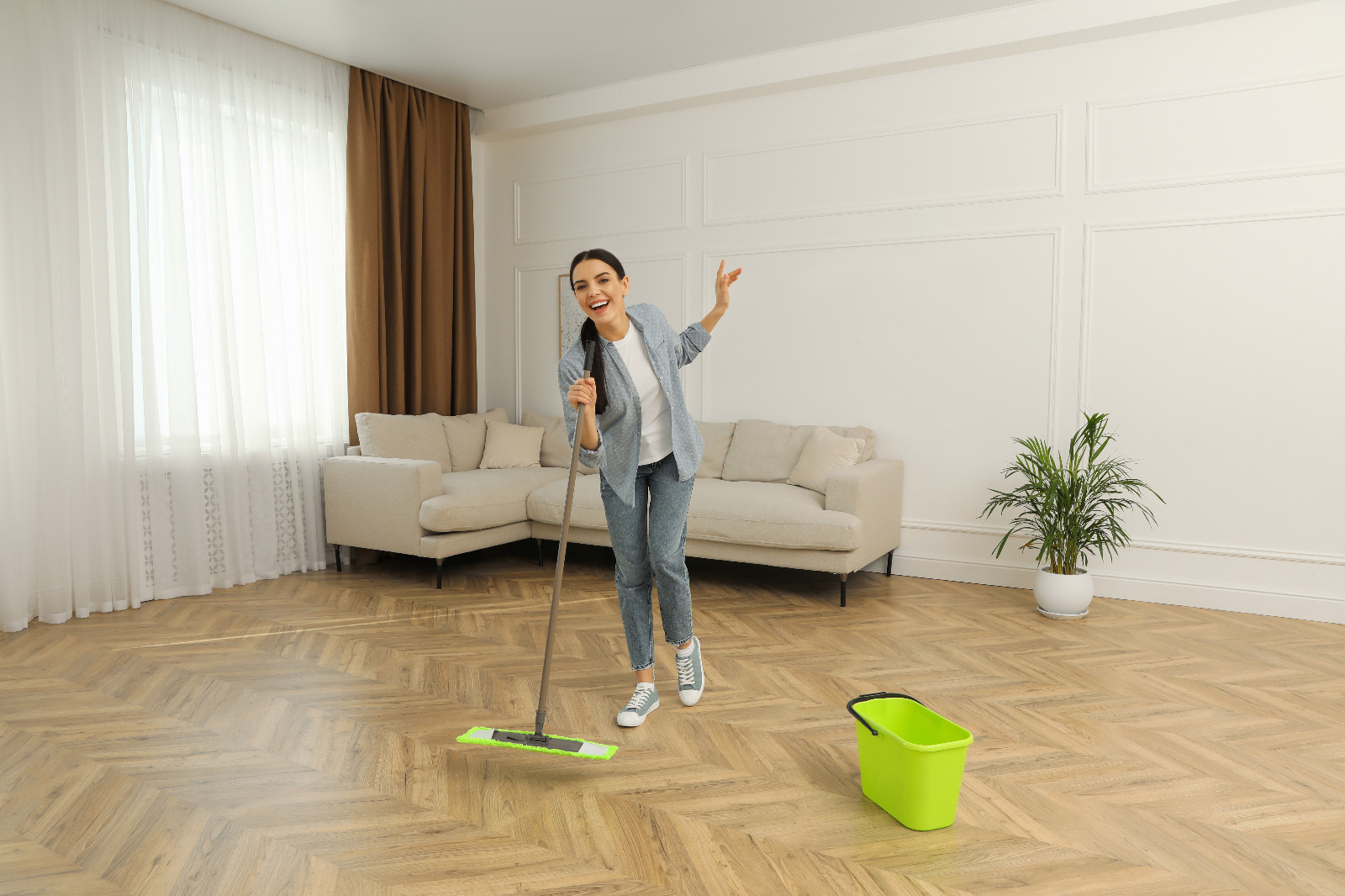
5. Aftercare: Keeping Your Floors Pristine for Years
A beautifully restored wooden floor is an investment – and every investment demands maintenance:
- Wait before moving furniture – Leave at least 24 hours (longer for oils) before placing heavy objects; fit felt pads to all legs.
- Adopt a ‘shoes off’ policy – Grit trapped in soles is timber’s worst enemy.
- Vacuum weekly with a soft brush head – It removes abrasive dust that accumulates between cleans.
- Refresh the finish – A light buff and a fresh topcoat every three to five years keeps high-traffic areas resilient.
- Monitor humidity – Use a humidifier in winter and ventilation in summer to keep relative humidity between 45 % and 60 %, preventing excessive board movement.
By pairing these habits with periodic professional inspections, homeowners who chose this advanced dust-free service report their floors still look photo-ready a decade later.
6. Choosing the Right Specialist in Stanmore
Selecting a contractor is as crucial as selecting a finish. Ask the following before you sign:
- Are your machines genuinely dust-free? Reputable firms use continuous HEPA extraction rather than shop-vacs that lose suction.
- Do you hold public liability insurance? Essential cover should be at least £5 million.
- Can I see recent local projects? A gallery of Stanmore addresses – with permission – proves reliability.
- Which finishes do you recommend for my lifestyle? Busy families, pets and heritage status each dictate different products.
- What aftercare support is included? Expect written maintenance guides and an optional annual inspection plan.
A team that can confidently answer these questions – and demonstrate live readings on their extraction unit – is far more likely to deliver the full benefits of Dust-Free Floor Sanding without hidden costs.
Conclusion: Breathe Easy and Walk Proud
Wooden flooring remains one of the few household features that gains character with age. By replacing outdated, dusty methods with today’s technologically advanced approach, Stanmore residents can uncover that character in comfort. The dust-free sanding method is not merely a trend but the new standard – kinder to lungs, quicker to clean, and guaranteed to set your property apart in a competitive market.
When you are ready to unveil the hidden beauty beneath your feet, request a free in-home survey today and take the first step towards floors that look – and feel – as fresh as the day they were laid.