Transfrom Your Home with Professional Wood Floor Sanding
If you live in Stanmore and your wooden floors are looking tired, scratched or patchy, you’re probably weighing up the big question:
Do I go for wood floor sanding – or rip everything out and replace it?
It’s a big decision. One route can save you thousands, preserve the character of your home and be finished in days. The other might be necessary if the floor is truly beyond rescue – but it also brings dust, disruption and extra hidden costs (like skirting, doors and decorators).
This guide is written specifically for Stanmore homes and businesses to help you decide, calmly and confidently, which option is really best for your floor – and your budget.
1. What Are Your Real Options in Stanmore?
Most timber floors in Stanmore fall into one of these categories:
- Original pine boards under carpets in Victorian or 1930s houses
- Oak or beech floorboards laid more recently
- Parquet floors – herringbone, basket weave or blocks
- Engineered hardwood with a real wood top layer
For all of these, the two main options are:
Option 1: Professional Wood Floor Sanding and Refinishing
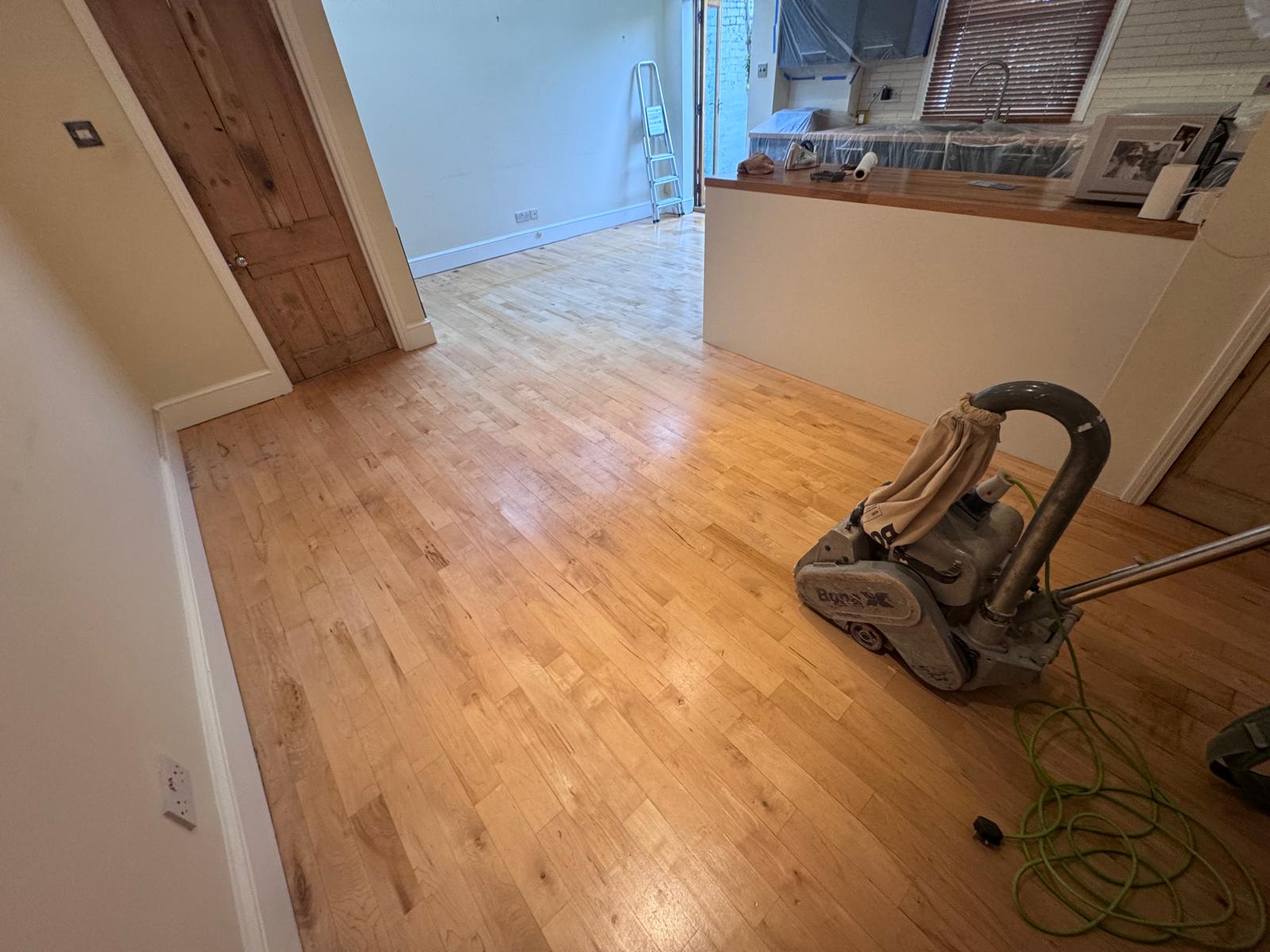
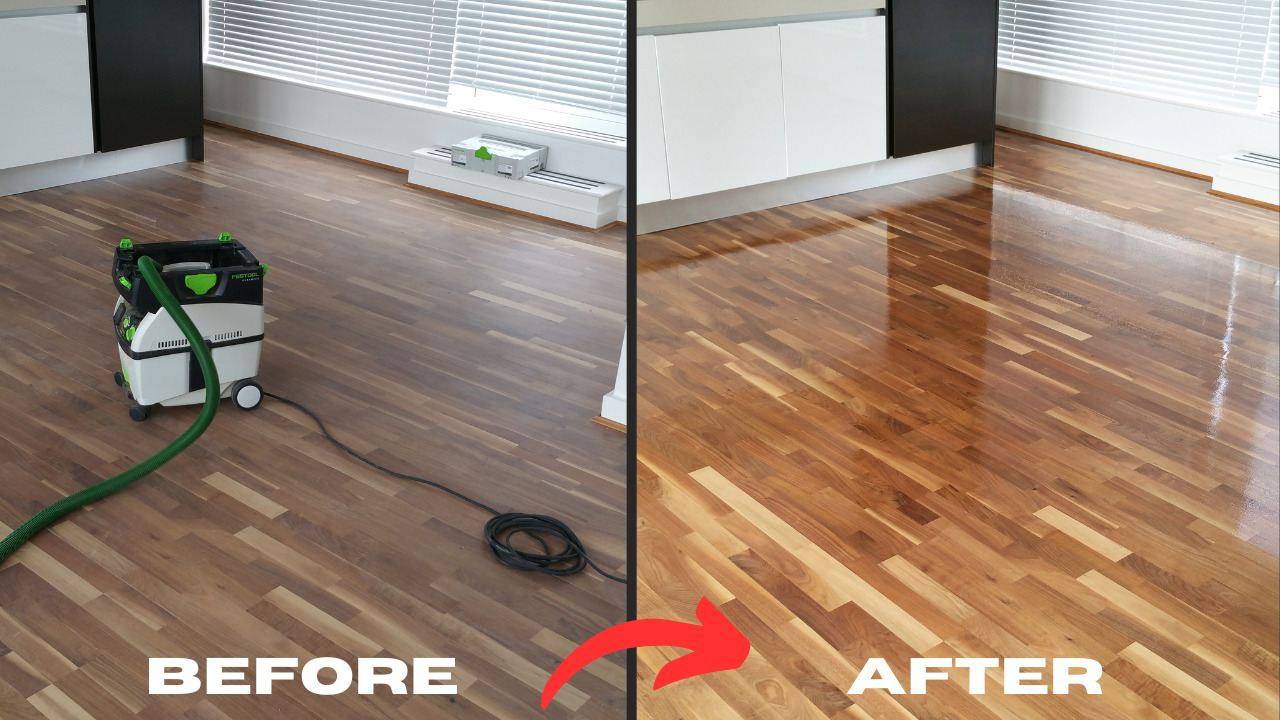
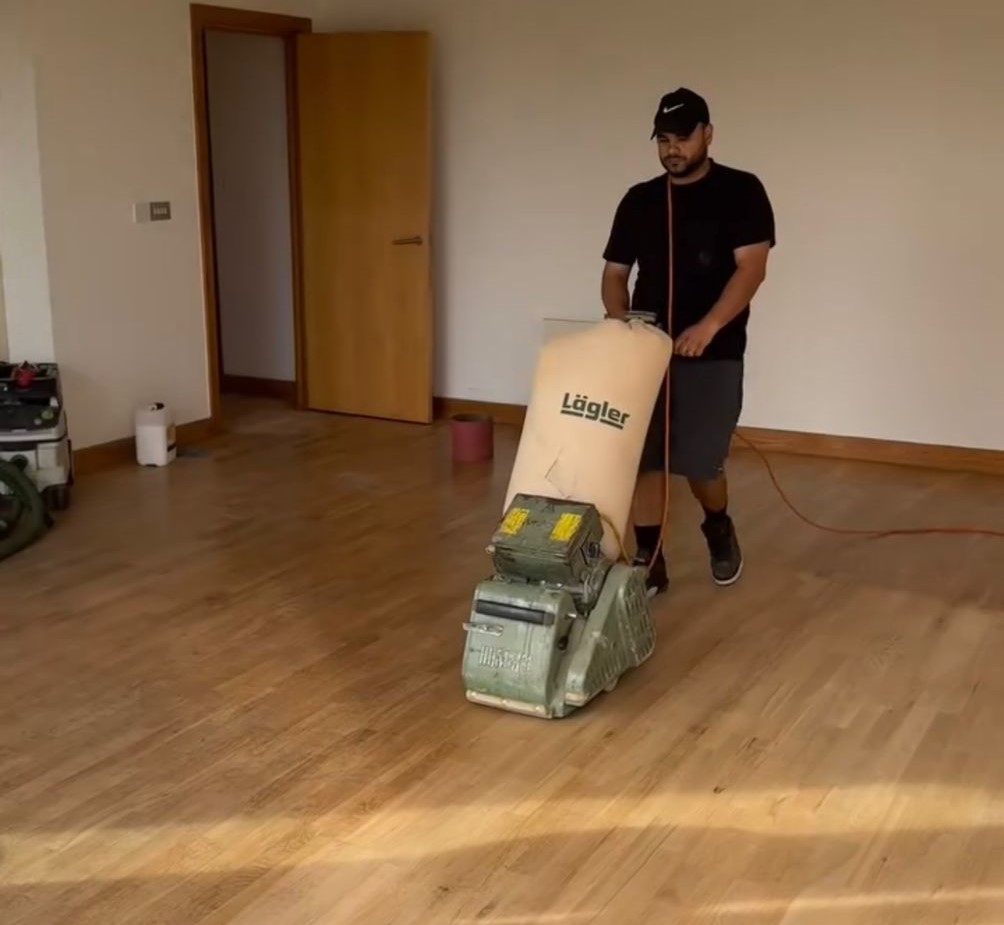
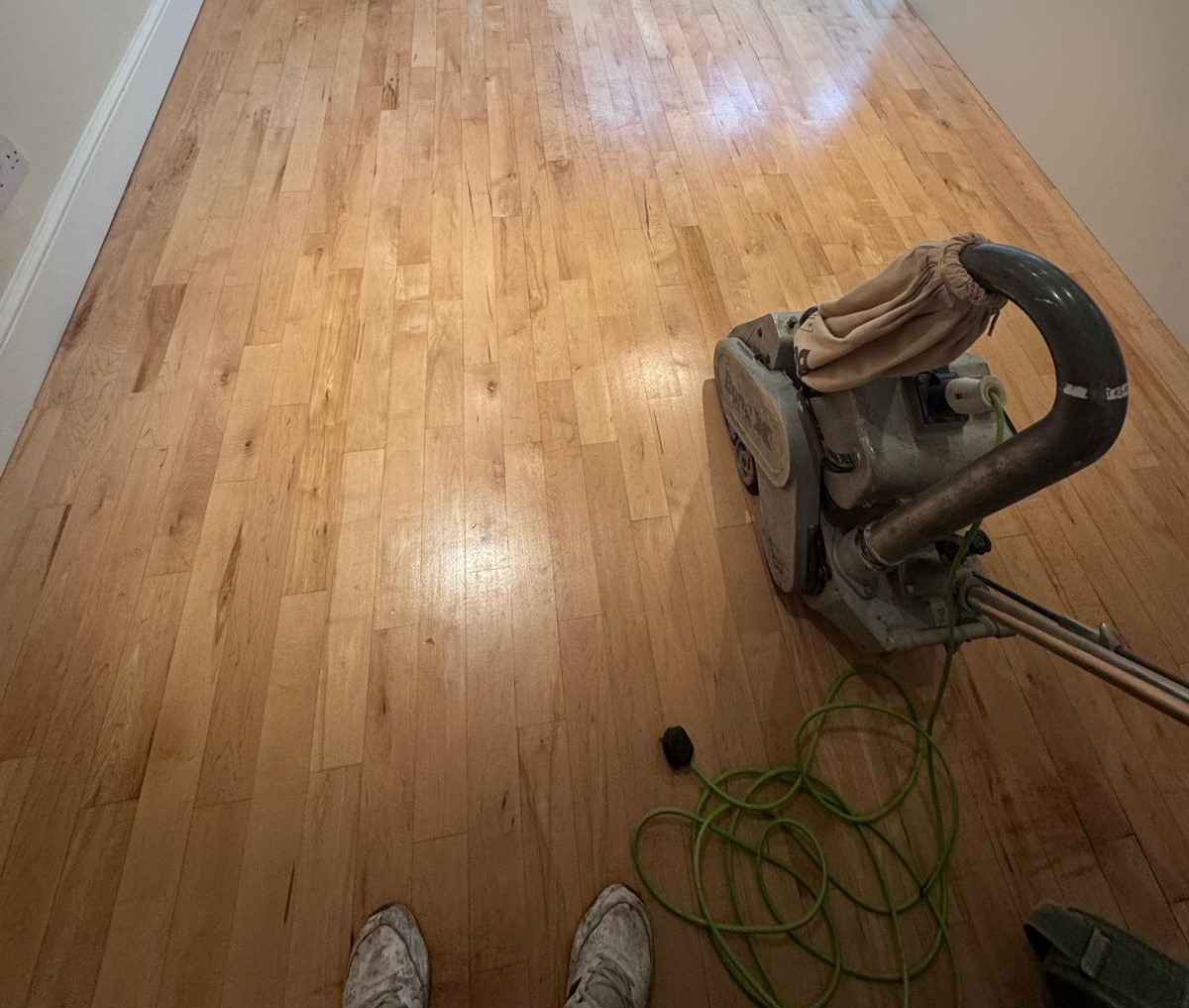
Modern wood floor sanding removes the old finish, levels out minor wear, and prepares the surface for fresh lacquer, oil or hardwax. With dust-free machines (like those used by Stanmore Floor Sanding), up to 99% of dust is captured at source, so you don’t have weeks of cleaning afterwards.
This is ideal for:
- Floors that are worn, scratched or dull
- Surfaces with old, yellowed varnish
- Parquet that’s lost its crisp definition
- Homes and businesses where you want a transformation without major building work
Option 2: Full Floor Replacement
Replacement means removing the old boards or blocks and installing brand new flooring – whether that’s solid wood, engineered, laminate or another material. It often involves joiners as well as floor layers, and can require decorating, skirting replacement and even new thresholds or doors.
Replacement might be necessary if:
- Boards are heavily rotted or structurally unsafe
- There are extensive areas missing (after walls have been moved, for example)
- The floor has been sanded so many times there’s no safe thickness left
Most Stanmore properties don’t fall into this “beyond saving” category – which is why it’s worth understanding what sanding can actually do before you start shopping for brand new floors.
2. Cost Comparison: Sanding vs Replacement
Every property is different, but there are some reliable patterns:
Why Sanding Usually Wins on Cost
- You keep the existing timber
You’re not paying for brand-new boards, parquet blocks or subfloor materials. The structure is already there – you’re simply renewing the surface with wood floor sanding and hardwood floor refinishing. - Less labour, less time on site
Sanding and parquet floor restoration are usually completed within a couple of days for a typical room, depending on size and finish choice. Replacement is slower: uplift, disposal, preparation, laying, sanding and finishing. - Fewer knock-on trades
With sanding, skirting boards and door frames can normally stay in place. With replacement, you may need:- New skirting
- Doors trimmed or replaced
- Decorators back in to make good damaged walls
- Commercial downtime is reduced
For shops, schools and offices in Stanmore, commercial floor sanding usually means you can phase work out-of-hours or over a single weekend. A full replacement often means closing areas for longer, which is a real cost in lost revenue.
In simple terms: sanding is normally significantly cheaper overall, especially once those hidden extras are factored in.
3. When Wood Floor Sanding Is the Clear Winner
Let’s look at situations where sanding (or restoration) is almost always the best choice.
3.1 Solid and Engineered Hardwood Floors
If your floor is solid timber or a good-quality engineered board with a decent wear layer, hardwood floor sanding is designed exactly for this scenario.
Sanding can:
- Remove deep scratches and scuffs
- Flatten slight cupping or unevenness
- Take away old, orange varnish and bring the wood back to neutral
- Allow you to change the colour completely with stains or tinted oils
Follow that with hardwood floor refinishing using modern lacquers or hardwax oils and you’ll have a floor that looks new – but still has all the character and tight grain of older timber.
3.2 Parquet Floor Restoration in Stanmore Homes
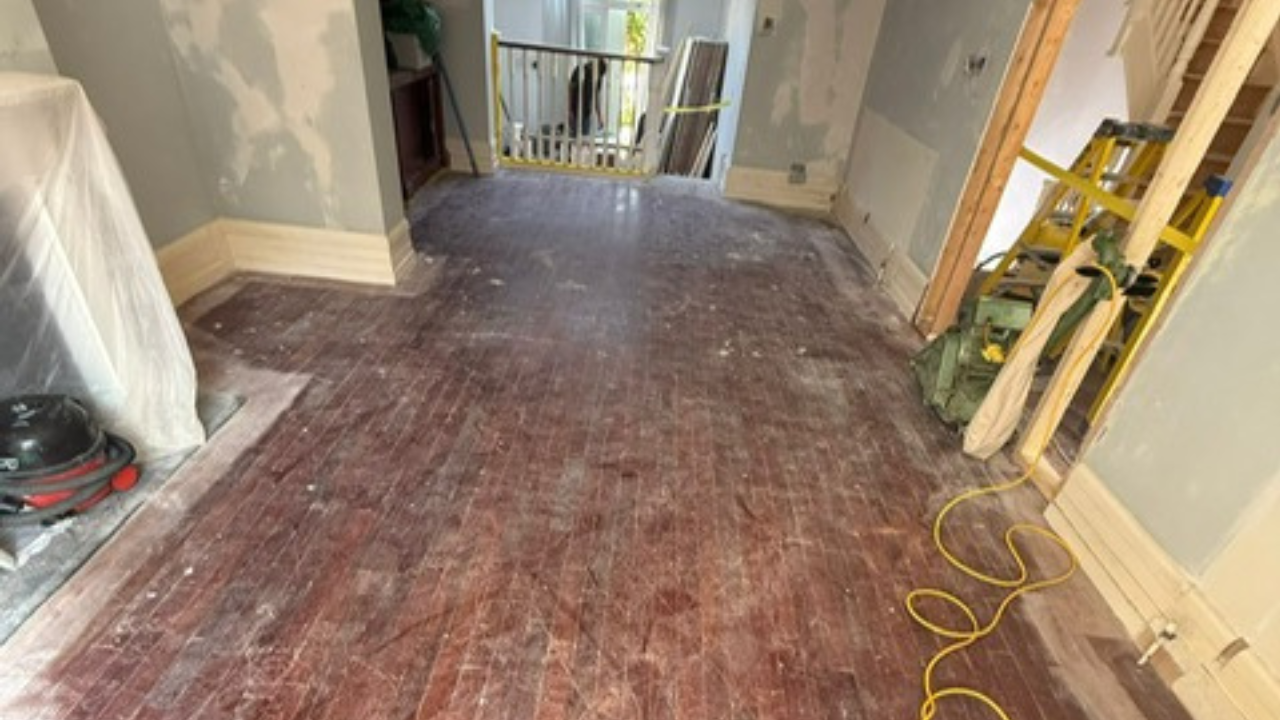
Original parquet is a real asset. A herringbone or block parquet floor in Stanmore, once restored, can add serious value and charm.
Parquet floor restoration and parquet floor sanding can:
- Replace missing blocks with carefully matched timber
- Re-bond loose sections and level out lipping between blocks
- Fill gaps for a smarter, draught-reducing finish
- Reveal stunning grain patterns hidden under old coatings
Ripping out parquet to install something “modern” is almost always a step backwards in both value and aesthetics, unless the floor is severely damaged by structural movement or flooding.
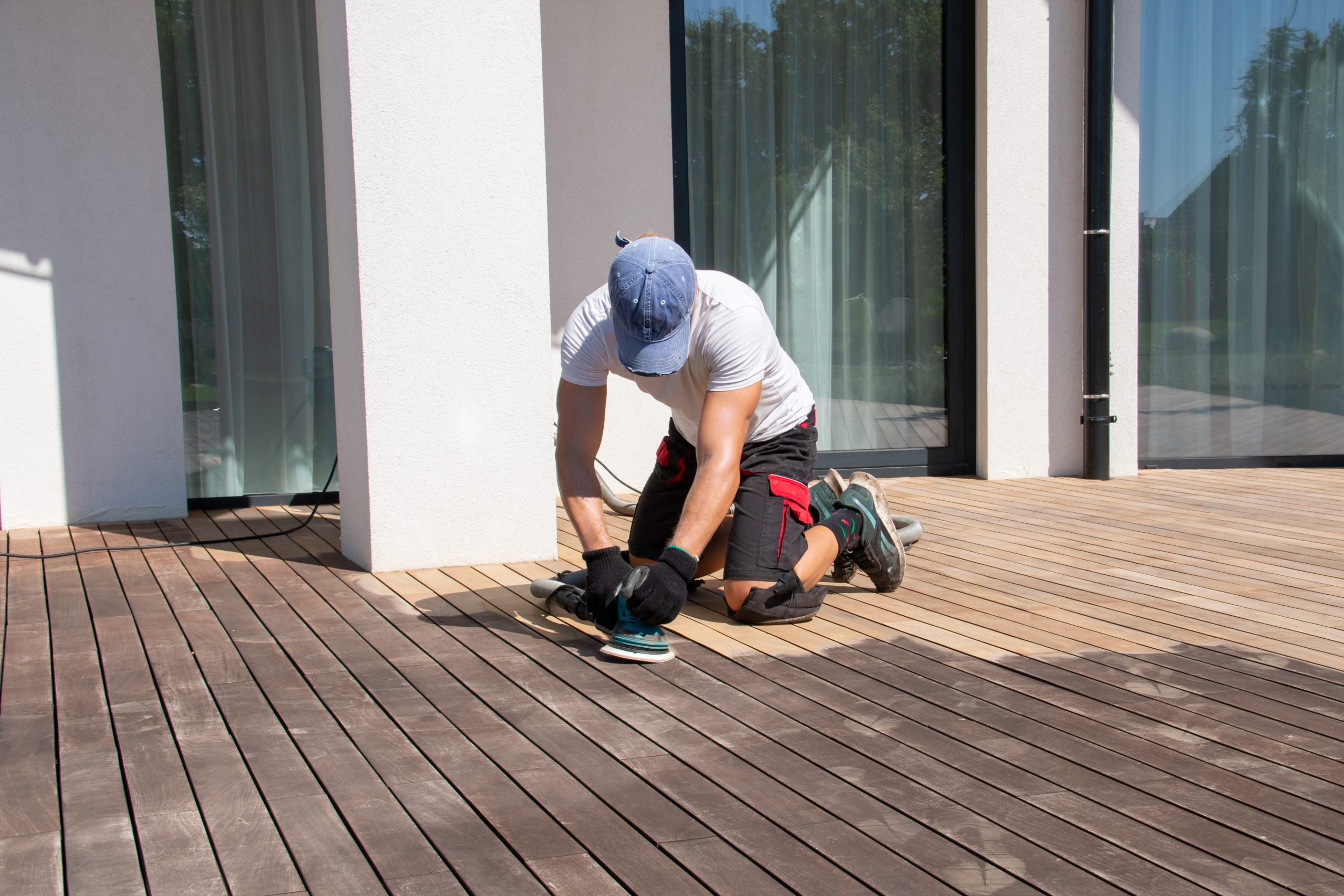
3.3 Deck Sanding and Deck Renewal
Outside, tired softwood or hardwood decks can go grey, slippery and splintery. People often assume they need to be replaced – but deck sanding and deck renewal can usually save them.
A professional exterior restoration will:
- Sand away weathered fibres and algae-stained surfaces
- Ease sharp edges and splinters
- Apply anti-slip, UV-resistant oils for long-term protection
Compared to the cost and waste of a new deck, deck sanding is typically the smarter move unless the subframe is rotten.
3.4 Worktops, Bars and Counters
Kitchens and commercial spaces often have solid wood worktops or bar tops. When they become stained, scorched or dull, worktop refinishing is a fast, low-disruption way to refresh them without changing the whole kitchen or bar fit-out.
4. When Replacement Makes More Sense
There are times when even the best wood floor sanding team will advise replacement. These include:
4.1 Structural Damage
If joists are rotten, boards are crumbling with woodworm, or there’s been long-term water damage from leaks, the timber may no longer be structurally sound. In these cases, it’s not just about looks – it’s about safety.
4.2 Too Thin to Sand Safely
Floors can only be sanded a certain number of times. If:
- You can already see nail heads all over the surface
- There’s a noticeable bounce and excessive flex
- A moisture or thickness check shows the wear layer is minimal
…your contractor may recommend replacement instead of risk.
4.3 Layout Changes and Extensions
If you’re knocking through rooms, adding an extension or reconfiguring walls, sometimes the patching required is so extensive that a full new floor across the whole area is more economical and better looking.
A good local specialist will walk you through this honestly during a site visit – which is exactly what Stanmore Floor Sanding does before recommending either restoration or replacement.
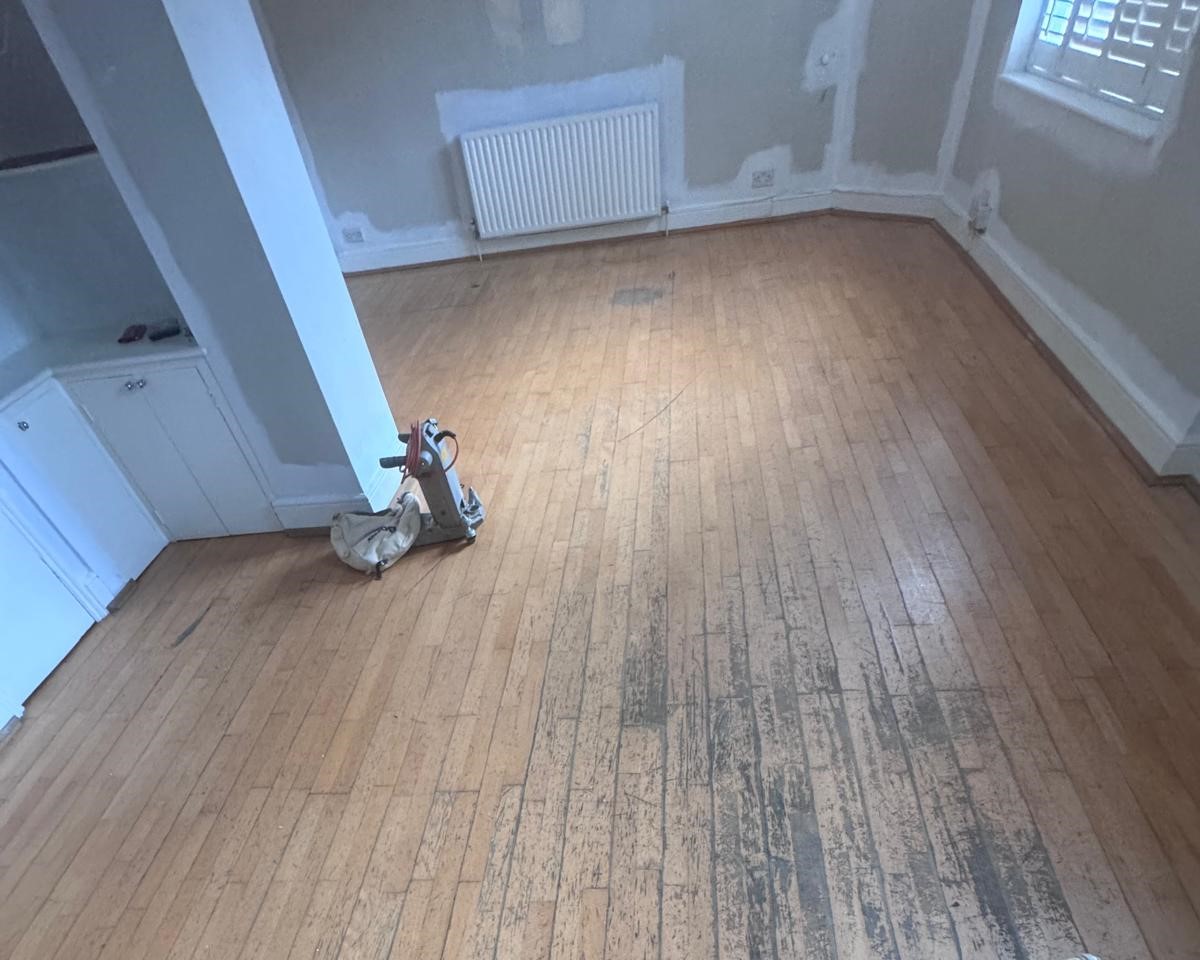
5. Hidden Costs People Forget (Where Sanding Wins)
When comparing quotes, it’s easy to look only at the “per square metre” price. But replacement can sneak in extra costs:
- Skip hire and waste disposal for the old floor
- New underlay or subfloor preparation
- Carpentry for thresholds, steps and trims
- Painting and decorating afterwards
- Longer disruption to your home or business
With wood floor sanding:
- The structure stays put
- Most waste is fine dust captured by extraction
- The job is often completed in a couple of days, not weeks
- You can usually keep your existing skirting and doors
Over a whole property – especially in Stanmore’s larger family homes – this difference really adds up.
6. How to Decide for Your Stanmore Property: A Simple 5-Step Framework
Use this quick framework before you commit to either sanding or replacement.
Step 1 – Check What You Actually Have
Lift a corner of carpet or a threshold strip and find out:
- Are there solid boards?
- Parquet blocks?
- Engineered hardwood?
- Or just chipboard and underlay?
If you have real timber, wood floor sanding or parquet floor restoration are very much on the table.
Step 2 – Assess the Visible Damage
Look for:
- Deep gouges and stains
- Loose or rocking boards
- Cracks and gaps between blocks
- Signs of historic leaks
Most cosmetic damage can be solved by sanding and filling; structural problems may point towards partial replacement in affected areas.
Step 3 – Consider the Character of Your Home
In period Stanmore houses, original boards and parquet tie your interiors into the architecture. Once they’re gone, it’s hard to get the same look back without spending a lot on premium flooring.
Restoring with hardwood floor refinishing keeps that character while giving you the “new floor” feel.
Step 4 – Think About Future Maintenance
With sanding and high-quality finishes:
- You can have a simple buff and recoat many years down the line
- You avoid wasteful rip-outs every time fashions change
- You can re-stain or adjust colour without major upheaval
With replacement, you’re often committed to a specific product range and system. Future changes may once again require a full uplift.
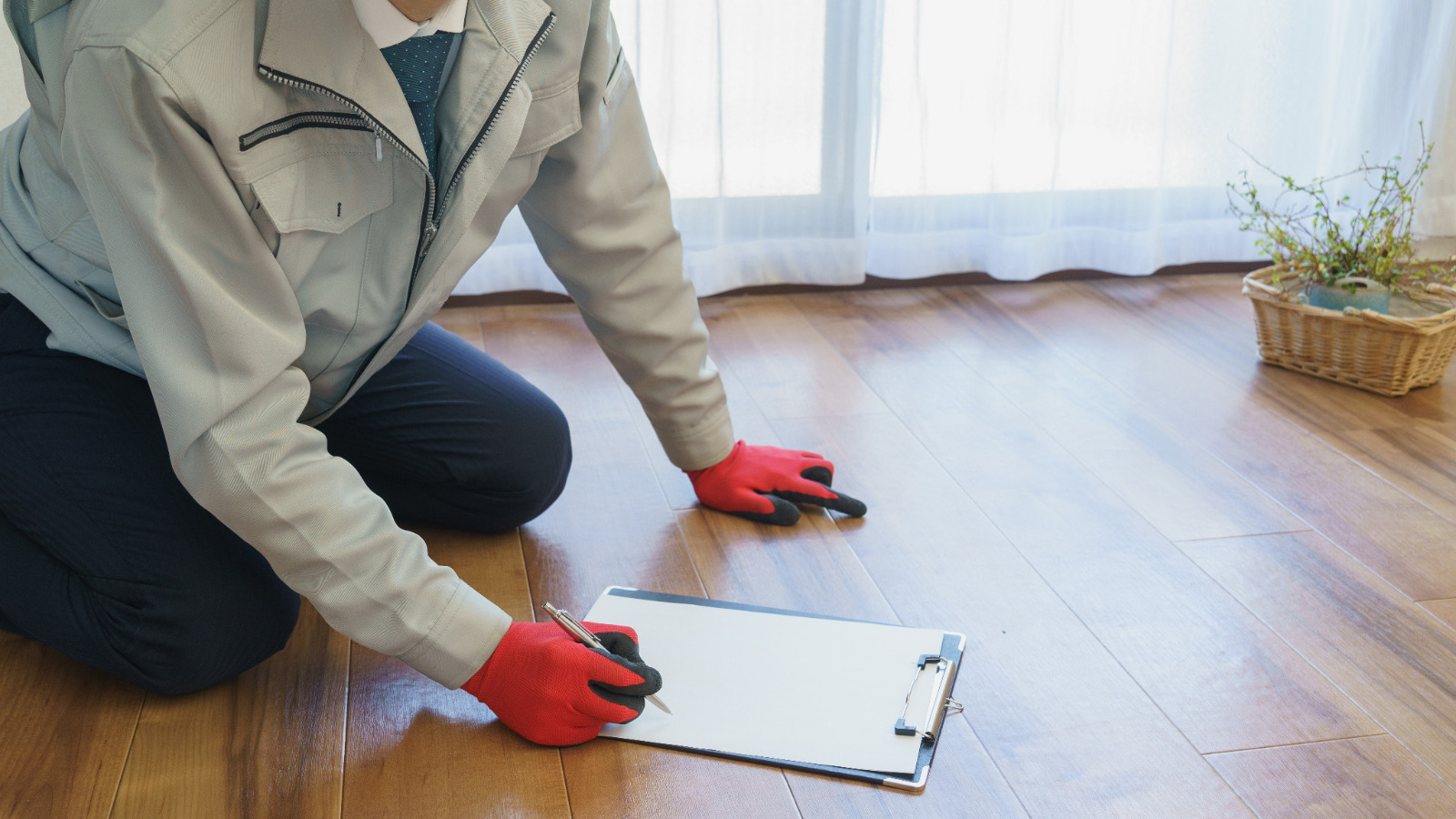
Step 5 – Get a Professional Survey and Written Quote
Finally, ask a specialist like Stanmore Floor Sanding to inspect your floors in person.
They can:
- Test moisture levels
- Check thickness and condition
- Explain the pros and cons of sanding vs replacement for each room
- Provide clear written costs for both options where applicable
This way you’re making a decision based on facts, not guesswork.
7. Why Choose Stanmore Floor Sanding as Your Local Specialist
A local company that knows Stanmore’s housing stock is far better placed to advise you than a generic national chain.
Stanmore Floor Sanding offers:
- Decades of experience restoring floors across homes, schools, offices and churches in the area (Stanmore Floor Sanding)
- Modern, dust-controlled sanding equipment for cleaner, safer work
- A complete service: repairs, wood floor sanding, parquet floor sanding, commercial floor sanding, deck renewal and worktop refinishing
- Flexible working hours to reduce downtime for busy households and businesses (Stanmore Floor Sanding)
They back this up with strong local testimonials and a gallery of before-and-after projects, so you can see exactly what’s possible on floors just like yours.
8. So… Sanding or Replacement – What’s the Best Choice for Stanmore?
For the majority of Stanmore properties, professional sanding and refinishing is the smarter first choice:
- More cost-effective overall
- Faster and less disruptive
- Kinder to the environment (no ripping out good timber)
- Better for preserving the character and value of your home
Full replacement should usually be reserved for those cases where:
- The structure is compromised
- The timber is too thin or too damaged to sand safely
- Major layout changes mean huge areas need patching
The key is to get honest, expert advice from a team that offers both repair and restoration, not just new floors.
Ready to Find Out What Your Floor Really Needs?
If you’re still unsure whether wood floor sanding vs replacement is right for your Stanmore home or business, the next step is simple:
- Call Stanmore Floor Sanding on 020 8819 4025
- Or request a free quote via their Contact page or Request a Callback form
Ask for an on-site assessment. In one visit, they can tell you:
- Whether your floors are suitable for wood floor sanding
- If any areas genuinely need replacement
- Which finishes will best suit the way you live or work
You’ll walk away with a clear, local, and practical answer to the question:
Sanding or replacement – what’s the best choice for your Stanmore floor?